

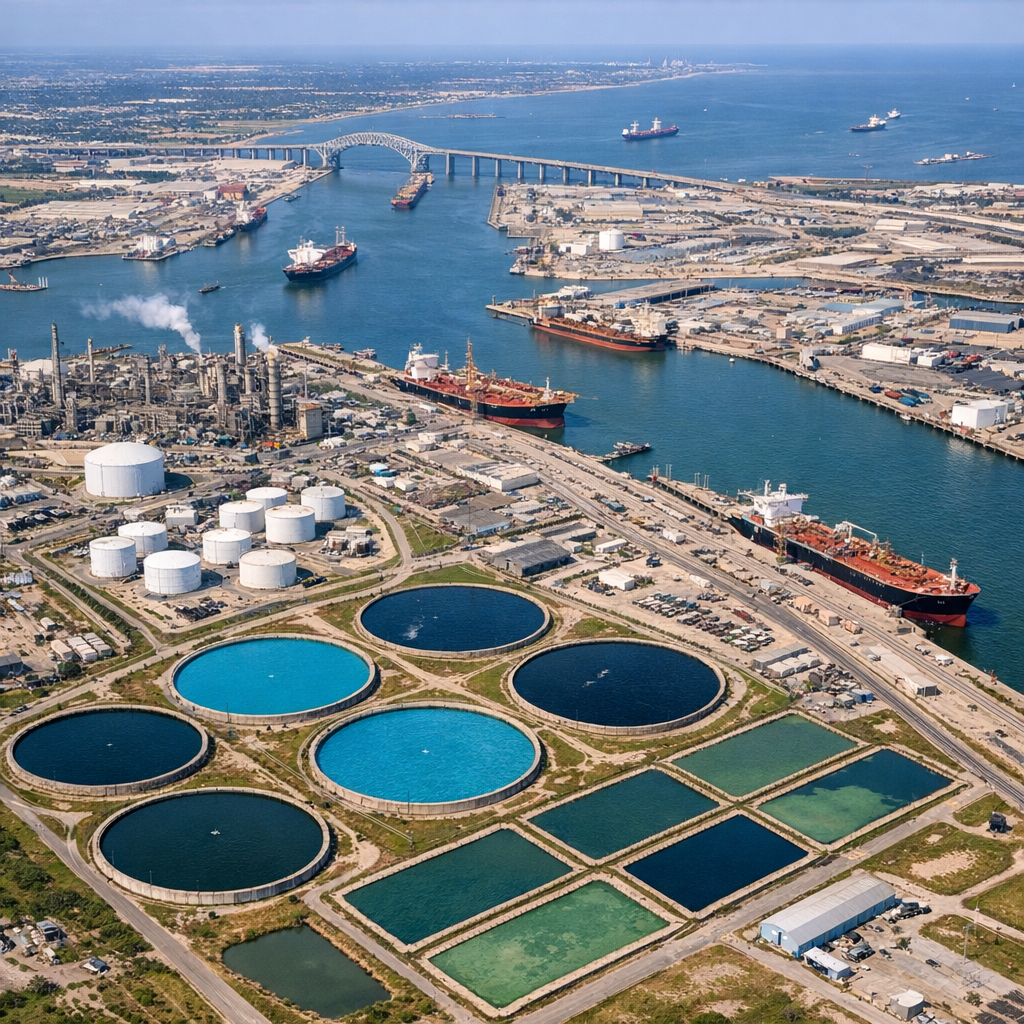
Corpus Christi, a vital hub for energy and industry, is increasingly feeling the effects of global events on its water supply. International climate phenomena and shifts in global energy markets are directly impacting our community’s resources.
El Niño’s Influence on Local Drought
The cyclical climate pattern known as El Niño, characterized by warming Pacific Ocean temperatures, has historically brought cooler and wetter conditions to the Gulf Coast. This year, a particularly strong El Niño is anticipated, offering hope for alleviating the prolonged drought that has severely depleted our reservoirs. Recent rainfall attributed to this phenomenon has already postponed projected water emergencies, providing a temporary reprieve for the city. However, reliance on such patterns underscores the need for sustainable, long-term water management strategies.
Global Energy Demands and Local Water Usage
As international conflicts disrupt traditional energy supply routes, Corpus Christi’s role as a leading exporter of liquefied natural gas and petroleum products has expanded. The Port of Corpus Christi has seen a significant increase in crude exports, positioning it as a critical player in global energy markets. While this growth bolsters the local economy, it also intensifies industrial water consumption. The city’s water utility has indicated that, in emergency conditions, industrial users may be required to reduce their water usage by 25% to ensure adequate supply for all residents and businesses.
Community Response and Future Planning
In response to these challenges, city officials are exploring various solutions, including the development of desalination plants and the drilling of new water wells. These initiatives aim to diversify and secure Corpus Christi’s water sources, making them more resilient to both global climate patterns and international market fluctuations. Community engagement and support are crucial as the city navigates these complex issues to safeguard our water future.