

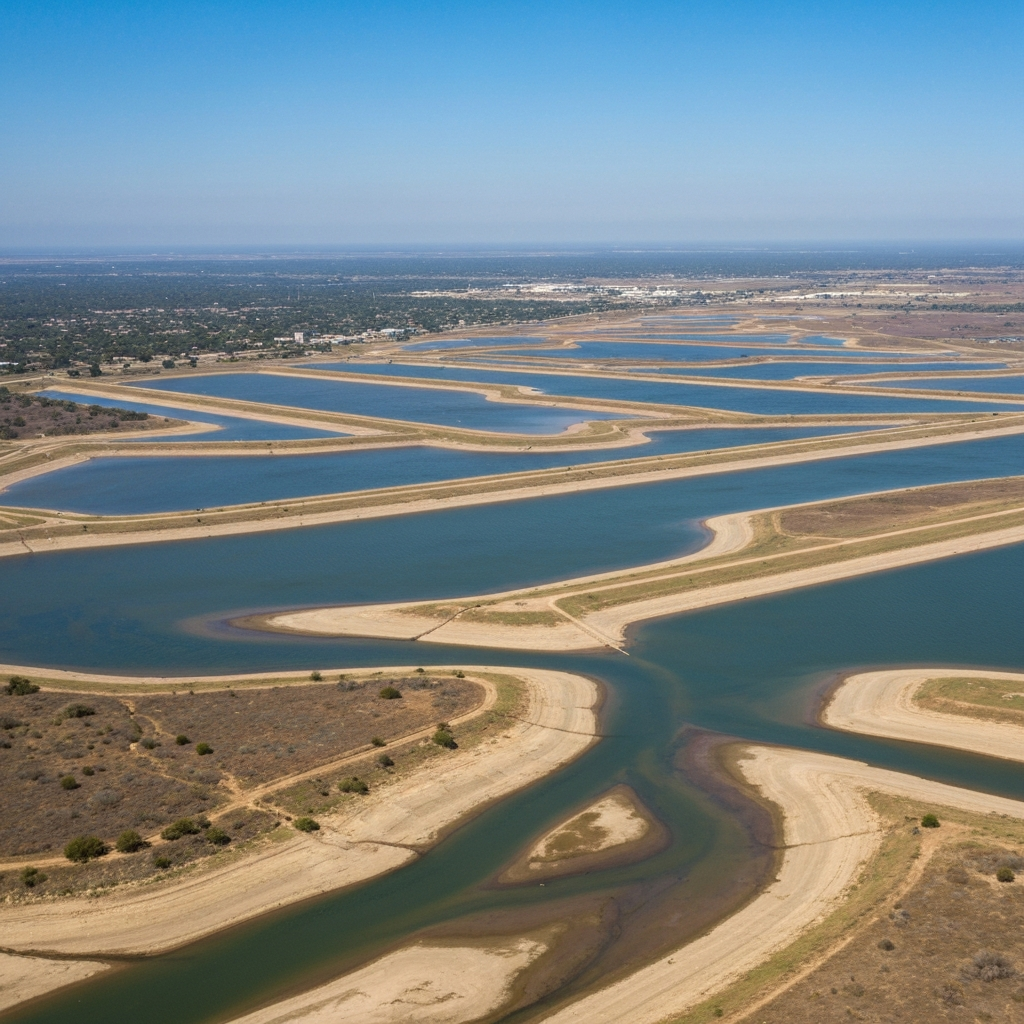
Corpus Christi is confronting a significant water crisis, with reservoirs nearing historic lows after enduring nearly seven years of drought. This situation poses challenges not only for residents but also for the city’s industrial sector, which accounts for a substantial portion of water consumption.
Current Water Supply Status
City officials have reported that two of the three main reservoirs have fallen below 10% capacity. Without significant rainfall or new water sources, the city may face mandatory cutbacks that could impact both residential and industrial users. The potential for a ‘water emergency’ declaration is under consideration, which would necessitate a 25% reduction in water usage across the board.
Conservation Measures and Community Response
In response to the dwindling water supply, the Corpus Christi City Council has been deliberating on implementing stricter conservation measures. A proposal requiring all customers to reduce water use by 25% during a Level 1 emergency was presented but has been delayed for further discussion. Residents have expressed concerns about the feasibility of such reductions, especially for households already practicing conservation.
Exploring Desalination Options
To address the long-term water needs, the city is exploring desalination as a potential solution. After previously halting plans for a city-owned desalination plant due to cost and environmental concerns, the City Council voted to negotiate purchasing water from a privately owned desalination facility under construction by Corpus Christi Polymers. This plant aims to provide a drought-resistant water source, though negotiations are ongoing.
Impact on Surrounding Communities
The water crisis extends beyond Corpus Christi, affecting neighboring communities that rely on the city’s water supply. Several towns in the Coastal Bend region have issued disaster declarations, highlighting the widespread impact and the urgent need for collaborative solutions.
Looking Ahead
City officials are actively seeking both immediate and long-term strategies to secure water resources. This includes tapping into additional groundwater sources and pursuing state approval for new well projects. The community is encouraged to stay informed and participate in conservation efforts to help mitigate the crisis.