
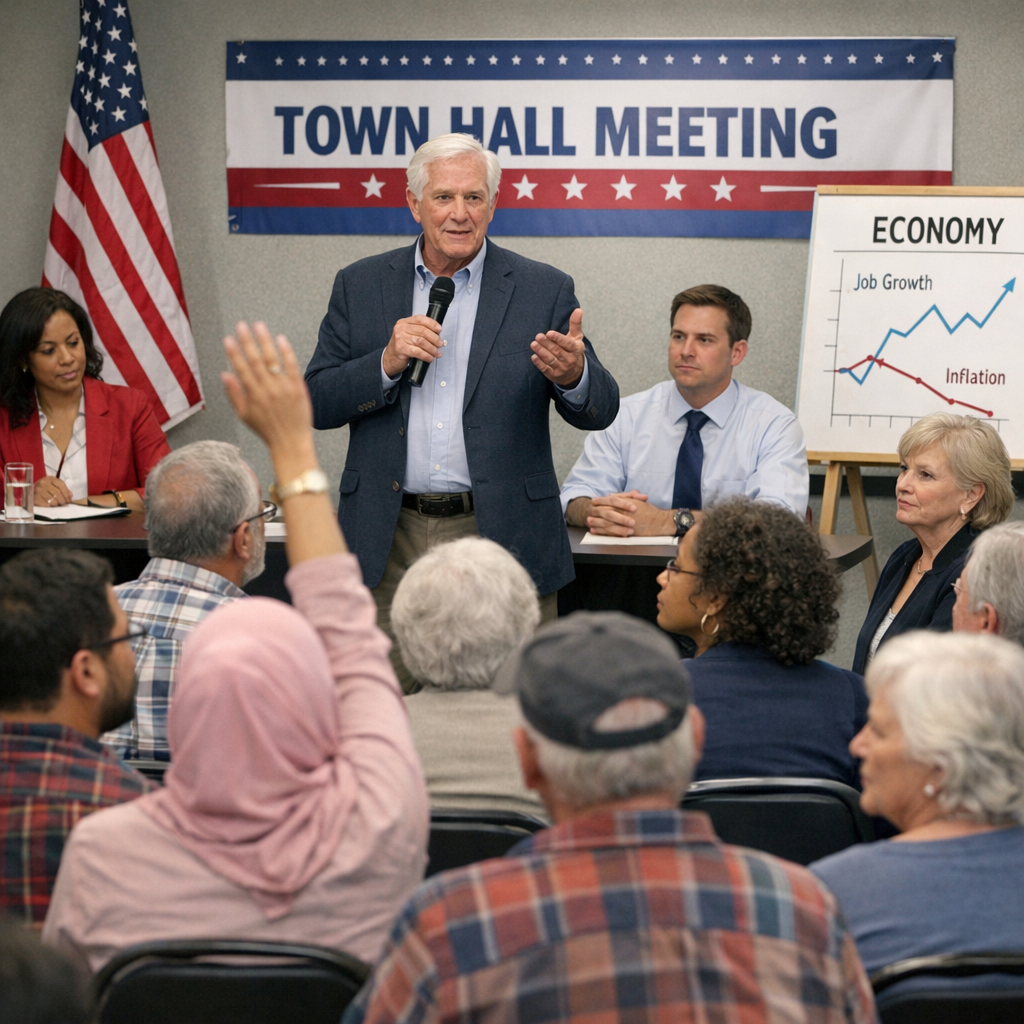
The United States has recently experienced notable developments in both its economic performance and political affiliations, reflecting a nation in transition.
Economic Growth Amidst Challenges
In the first quarter of 2026, the U.S. economy expanded at an annualized rate of 2%, marking a recovery from the previous quarter’s modest 0.5% growth. This rebound was largely attributed to the resolution of a prolonged federal government shutdown and sustained investments in artificial intelligence sectors. However, the onset of geopolitical tensions, particularly the conflict in Iran, has introduced uncertainties, notably affecting energy prices and inflation rates.
Shifts in Political Affiliations
Concurrently, the American political landscape is witnessing significant shifts. A record-high 45% of U.S. adults identified as political independents in 2025, surpassing previous records. This trend indicates a growing segment of the population distancing itself from traditional party affiliations, potentially influencing future electoral dynamics and policy debates.
These developments underscore the evolving nature of the nation’s economic and political spheres, highlighting the importance of adaptability and informed engagement in navigating these changes.