

By Ethan Gonzales
Climate at a Glance
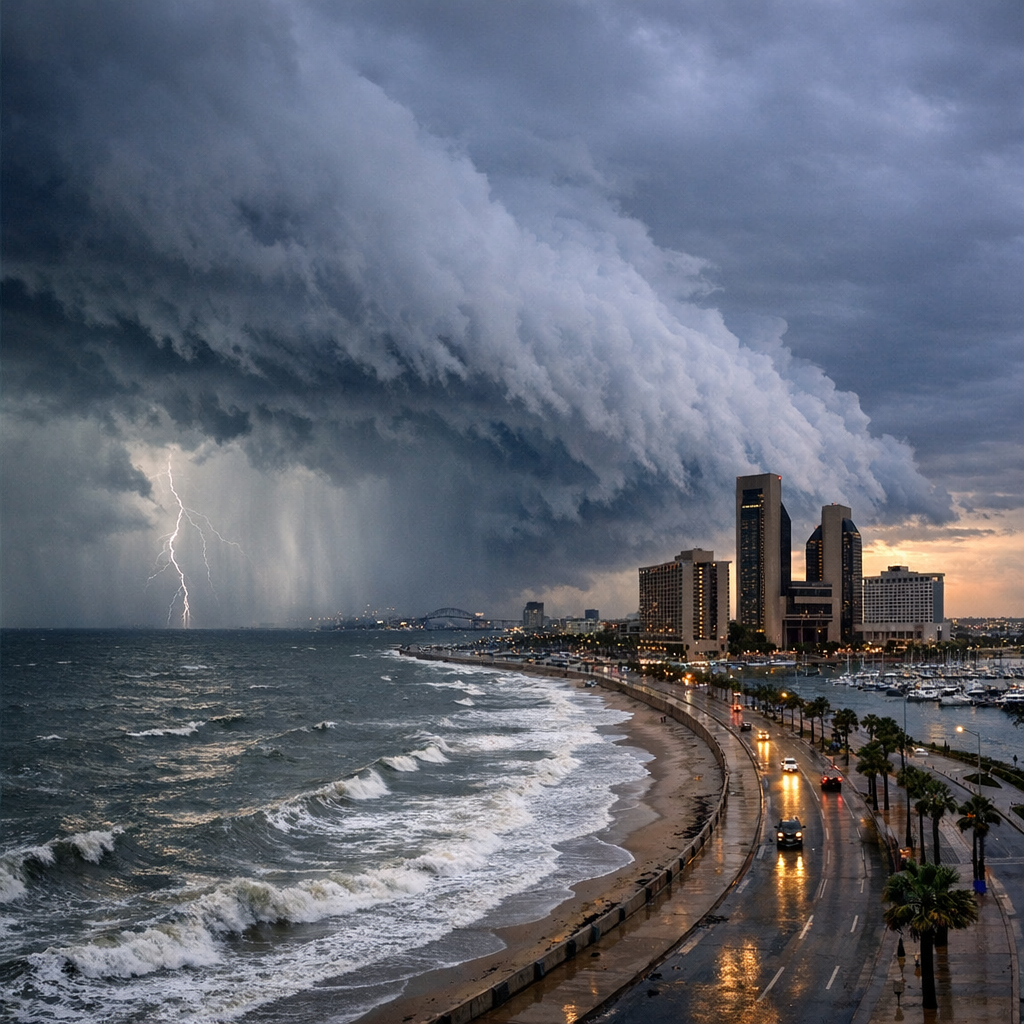
Corpus Christi lies in South Texas, embraced by a humid subtropical climate. Our summers are long and often sweltering, with daily highs frequently in the 90s °F from late spring through early fall. Winters are short and mild; frost along the coast is rare, making January the coolest stretch with overnight lows generally in the upper 40s to low 50s. Heavy snowfall or ice? Almost unheard of here. Seasonally, rainfall displays a bimodal pattern: one rainy window in late spring, another in early fall when tropical systems tend to arrive. September often delivers among the highest monthly totals. Temperature swings during the year typically range from lows around 50-60 °F in winter to highs near 95 °F in summer.
Coastal Dynamics & Shoreline Changes
Our location along the Gulf and the bays leaves us vulnerable to coastal erosion. Unprotected shorelines—especially those with unconsolidated bluffs—gradually retreat due to waves, storm surge, and rising sea levels. Parks along Corpus Christi Bay and Mustang Island are among areas closely monitored. City efforts include shoreline stabilization projects and beach nourishment, though some erosion “hot spots” remain where new sediment supply or physical defenses are limited.
Water Supply & Environmental Concerns
While lush lawns and green spaces are part of our coastal charm, they also compete for water with critical needs like drinking supplies and wetlands. In recent years, lake and reservoir levels have dropped significantly, crossing into drought territory. Meanwhile, policy discussions about desalination plants and water conservation have gained urgency as local authorities and communities weigh ways to safeguard resources.
How Climate Trends May Shift Things
Like many Gulf Coast regions, Corpus Christi is not immune to broader climate shifts. Sea level rise, warming ocean temperatures, and more intense rainfall episodes (especially from tropical storms) are shaping risk profiles for flooding, coastal infrastructure, and habitat disruptions. Monitoring and planning—at city, county, and regional levels—are increasingly central to adapting to evolving weather patterns.
Tips for Staying Weather-Aware
- Watch for storm alerts in late summer and fall, when tropical disturbances are most active.
- Drought or elevated heat? Adjust outdoor work and leisure to cooler hours.
- Support shoreline preservation efforts through community cleanups and beach-friendly landscaping.
- Conserve water: simple behavior changes can ease pressure on stressed supplies.
Weather and environment aren’t just background to our daily lives—they’re forces that build, change and challenge this place we call home. As the climate evolves, staying informed and involved helps all of us in Corpus Christi adapt and thrive.